Most adult dogs eat about 2 to 3% of their body weight in raw food each day. A 20 kg dog with an average amount of exercise eats around 500 g a day.
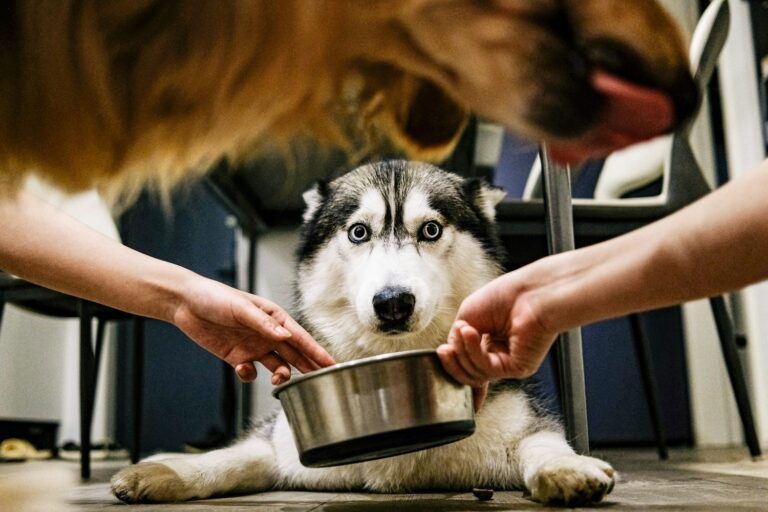
That 2 to 3% is a starting point. Where your dog sits in the range depends mostly on how active they are, and you fine-tune it by watching their weight over the first few weeks.
Daily amounts by weight
These are the same percentages our raw dog food calculator uses for adult dogs: 2% for a quieter dog, 2.5% for a moderately active one and 3% for a very active or working dog.
| Dog’s weight | Quieter (2%) | Moderate (2.5%) | Very active (3%) |
|---|---|---|---|
| 5 kg | 100 g | 125 g | 150 g |
| 10 kg | 200 g | 250 g | 300 g |
| 15 kg | 300 g | 375 g | 450 g |
| 20 kg | 400 g | 500 g | 600 g |
| 30 kg | 600 g | 750 g | 900 g |
| 40 kg | 800 g | 1 kg | 1.2 kg |
Older dogs often need a little less. The calculator uses about 1.8 to 2.2% of body weight for dogs aged seven and over, depending on activity. Use your dog’s ideal weight rather than their current weight if they need to lose or gain a few kilos.
If the grams look high next to what your dog ate on kibble, that’s expected. Raw food holds a lot more water than dry food, so a raw-fed dog eats a bigger amount by weight. Our raw versus kibble cost guide works through what that means for your budget.
How that splits across the 80/10/10 guide
A common rule of thumb for raw feeding is about 80% muscle meat, 10% raw bone and 10% organ. For a 20 kg dog eating 500 g a day, that works out to roughly:
- 400 g of muscle meat
- 50 g of raw bone
- 50 g of organ
You don’t need to weigh all three every day. Most raw feeders balance it over a week, for example by feeding a raw meaty bone a few times a week rather than a little bone every day. Most of our blends, such as Active Dog Mix and Breeders Mix, already include offal, which contributes to the organ part.
A quicker way to measure
Here’s a tip we pass on to customers, especially those with smaller dogs. Find an old cup or metal scoop, fill it with food and weigh it once. If a scoop holds about 100 g and your dog eats 300 g a day, that’s three scoops, and you can put the scales away.
Is my dog eating the right amount?
Weigh your dog every couple of weeks when you first switch, and check their shape. You should be able to feel their ribs easily under a thin layer of fat without seeing them stick out.
- Gaining weight: cut the daily amount by about 10% and check again in two weeks.
- Losing weight or always hungry: add about 10%.
Activity changes through the year too, so a dog who works hard in summer might need less in a quiet winter.
How long a carton lasts
Our mixes and minces come in 10 kg cartons. Our calculator plans about 90% of the food as mince or blend and 10% as raw bones, so a 20 kg dog eating 500 g a day gets through about 450 g of mince a day, or roughly 3 kg a week. One 10 kg carton lasts that dog a little over three weeks. The calculator does this sum for your dog and tells you how many cartons cover the number of weeks you choose.
One meal or two?
Either works. Most owners split the daily amount into two meals for larger dogs, and some feed smaller dogs once a day. Pick what suits your routine and keep it consistent.
Feeding a cat as well? Adult cats usually eat about 3% of their body weight a day, and our guide to feeding cats raw meat has the amounts.
These amounts are for healthy adult dogs. If your dog has a medical condition, ask your vet what they should be eating.
More guides
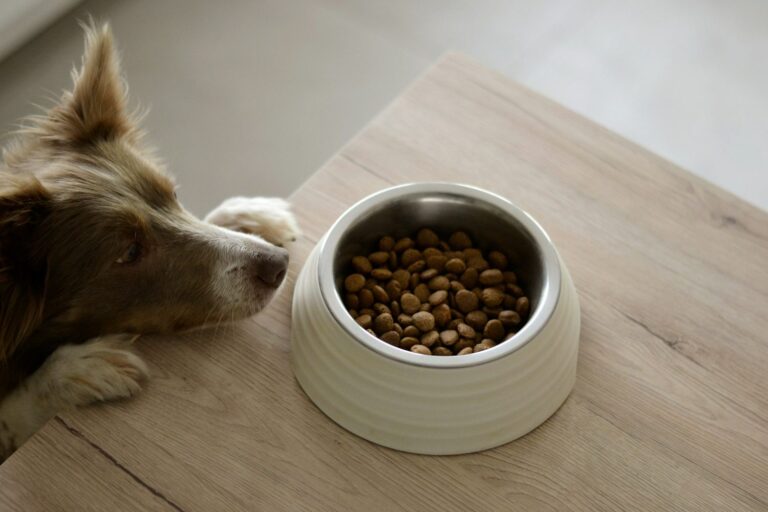
Raw dog food vs kibble in NZ: the cost per day
Cost per day for the same 20 kg dog, from budget kibble to small-pack raw, and how to keep raw feeding affordable.
Read the guide →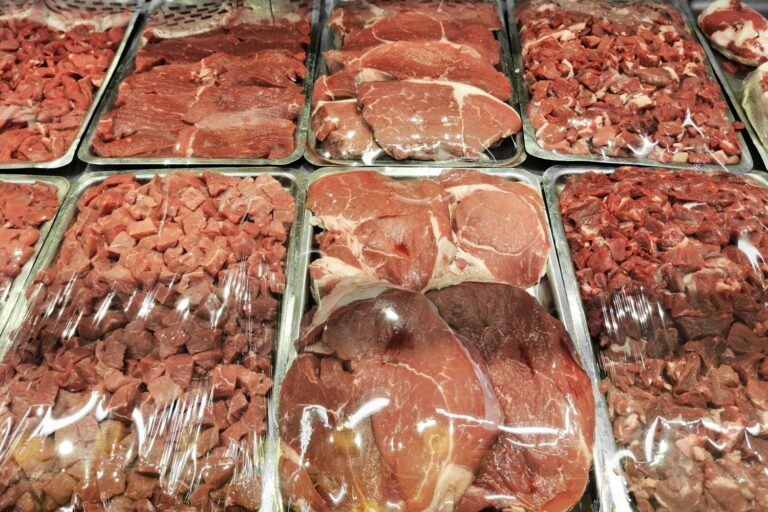
Raw pet mince vs supermarket mince
What supermarket mince is missing, what it costs per day, and how bulk pet mince compares.
Read the guide →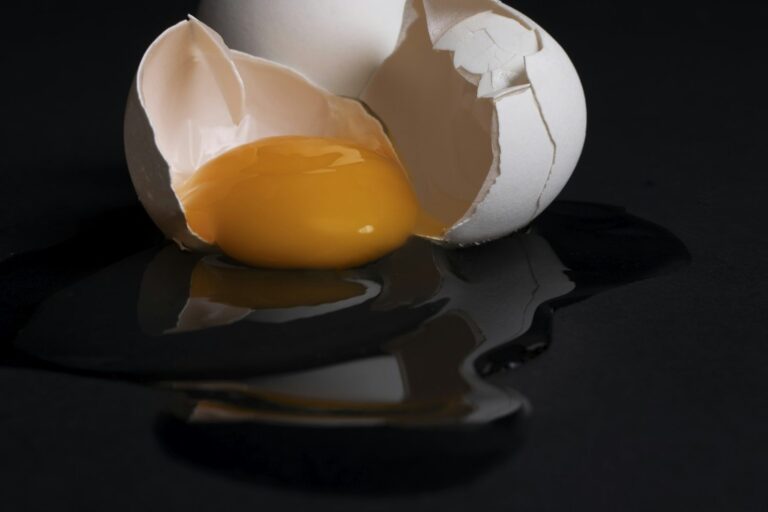
Can dogs eat raw eggs?
Why to feed the whole egg, how many to give, and what to do with the shell.
Read the guide →