Yes, most dogs can eat raw fish as part of a raw diet. Freeze it before feeding, keep it to a share of the diet rather than the whole bowl, and watch for sharp bones in whole fish. Never feed cooked fish bones.
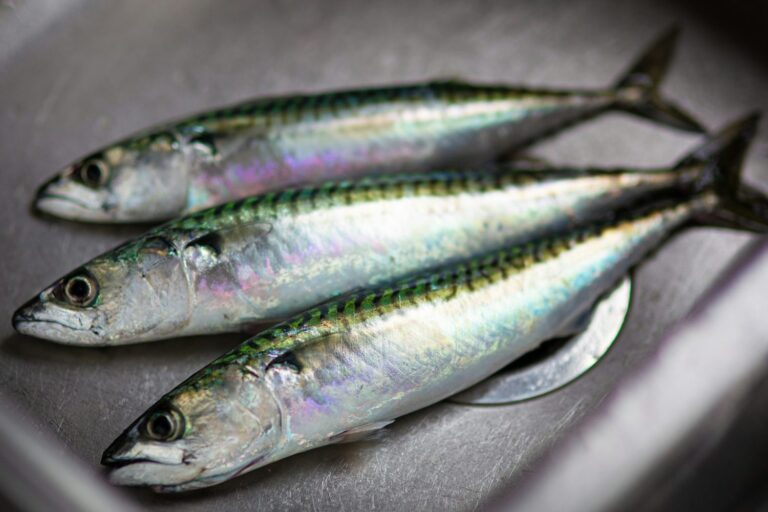
Can dogs eat raw fish? It’s the protein people are least sure about when they start raw feeding. It’s a useful one to have in the rotation, and there are only a few things to get right.
Why raw feeders add fish
Most dog food in New Zealand is built on chicken, beef and lamb. Fish brings a different protein into the week, which is why a lot of raw feeders rotate it in alongside red meat. Oily fish such as sardines and mackerel are the ones people reach for most.
Freeze it first
Raw fish, like raw meat, can carry parasites as well as bacteria. Freezing fish thoroughly before you feed it is the usual precaution, and it’s one reason raw feeders buy fish frozen rather than straight off the boat. Thaw it in the fridge, the same as any raw food, and use it within a couple of days.
Keep it to a share of the diet
Fish works best as one protein among several, not the whole bowl. Some raw fish, such as herring and smelt, contain a compound that breaks down vitamin B1 (thiamine), so a diet built mostly on raw fish can run short of it. Feeding fish as part of a varied rotation, a few times a week, avoids that.
Count the fish as part of your dog’s daily amount, so the total stays about the same. Our guide to how much raw food to feed has amounts by weight.
Bones in fish
Small raw fish such as sardines are often fed whole. Larger fish have sharper bones and bigger spines, so many owners fillet them or feed them minced. Cooked fish bones are a different matter: never feed them, as cooking makes bones brittle.
Introducing fish
Treat fish like any new protein. Start with a small amount mixed into a meal your dog already eats, and build up over a week or so, changing one thing at a time. Fish is rich, and a sudden big helping can loosen stools. Some dogs take to the smell straight away, and some need a few tries. If yours turns their nose up, our guide to getting a fussy dog to eat raw has a few tricks that work for fish as well.
Handling raw fish
Treat raw fish like raw chicken: thaw it in the fridge, keep it away from food for people, and wash your hands, bowls and surfaces afterwards. Our guide to raw feeding hygiene covers the routine.
Fish in our range
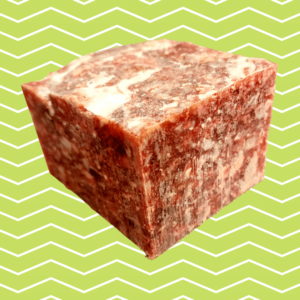
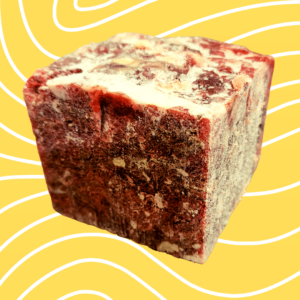
Our Chicken & Fish Rolls bring chicken and fish together in 1.8 kg rolls, packed ten to an 18 kg carton. They’re an easy way to add fish to the week alongside a red-meat mince or mix, and you slice off what you need. Our guide to dog roll versus raw mince explains how raw rolls differ from cooked dog roll.
Common questions
Can dogs eat tinned sardines?
Yes, as an extra. Choose sardines in spring water rather than oil or salty brine, and count them as part of the day’s food.
Is cooked fish OK for dogs?
Plain cooked fish with every bone removed is fine as a treat. Skip anything fried, battered, salted or seasoned, and never feed the cooked bones.
Can cats eat raw fish?
Cats can have fish as part of a varied raw diet too, with the same freeze-first rule. Keep it to a share of the diet, as for dogs. Our guide to feeding cats raw meat has more on what suits cats.
Products in this guide

More guides

Can cats eat raw meat?
How much raw food a cat needs, which of our foods suit cats, and how to switch a suspicious eater.
Read the guide →
How much raw food should I feed my dog?
Daily amounts by weight, how they split across the 80/10/10 guide, and how to tell if you've got it right.
Read the guide →
Dog roll vs raw mince: what’s the difference?
What's inside a typical NZ dog roll, how raw mince compares, and where raw rolls fit.
Read the guide →