Puppies eat more for their size than adult dogs. A common raw feeding guide starts at around 8 to 10% of a young puppy’s current weight a day, split over three or four meals, and eases down towards adult amounts of 2 to 3% by about a year to 18 months.
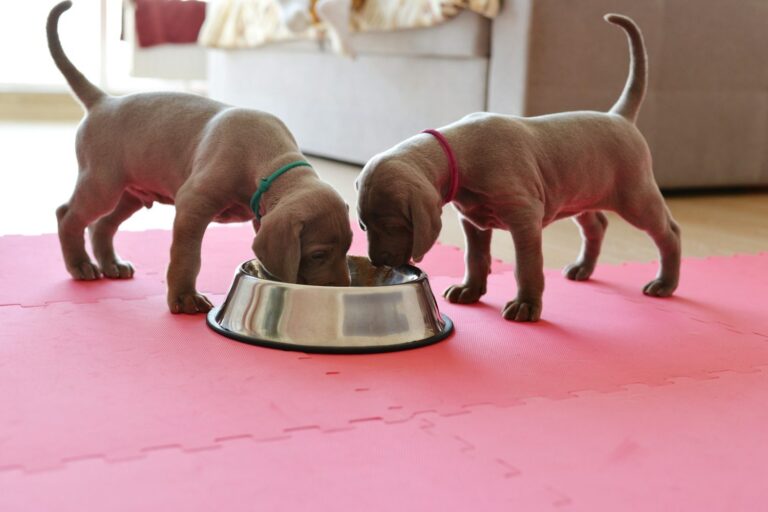
Raw food for a puppy works on the same idea as for an adult dog: muscle meat, bone and organ. The difference is the amount, which changes almost month by month, and the number of meals.
How much to feed by age
This is a guide many raw feeders use. It’s based on your puppy’s current weight, so weigh them every week or two and recalculate.
| Age | Per day, % of current weight | Meals a day |
|---|---|---|
| 8 to 10 weeks | about 10% | 4 |
| 10 to 16 weeks | about 8% | 3 to 4 |
| 4 to 6 months | about 6 to 7% | 3 |
| 6 to 9 months | about 5% | 2 to 3 |
| 9 to 13 months | about 4% | 2 |
| 13 months onwards | easing to 2 to 3% | 1 to 2 |
As an example, a 12-week-old puppy weighing 8 kg would eat about 640 g a day at 8%, split into three or four meals.
Some raw feeders use a different rule instead: about 2 to 3% of the weight the dog is expected to reach as an adult. Whichever you use, watch your puppy’s shape and adjust. You should be able to feel their ribs easily without seeing them.
Where to start
Keep it simple. When people ask us about a pup of around eight weeks, we suggest starting with small amounts of Chicken Mince. It’s a single protein, and ours is minced with the bone.
From there, Puppy Mix is the blend we made for younger dogs. It’s beef, chicken, offal and green tripe, and the chicken in it is minced with the bone. Our calculator also suggests Breeders Mix and single-protein minces for younger dogs.
If your puppy came from a breeder who raw feeds, ask what they’ve been eating and start with the same protein. Changing one thing at a time makes it easy to see what suits them.
Switching a puppy to raw
- Mix a small amount of raw into their current food.
- Increase the raw share every couple of days over a week or so.
- Watch their stools. If they go loose, hold where you are until things settle, then carry on more slowly.
Our guide to switching to raw has a fuller plan. Skip the fasting step it mentions for young puppies.
Bones and organ
Puppy Mix already has offal in it. If you start on Chicken Mince, bring organ in once your puppy is settled, the same way as for an adult dog. For whole raw bones, talk to your vet or your breeder about when and which to introduce.
Large-breed puppies
Big breeds such as Labradors, German Shepherds, Huntaways and Great Danes grow for longer than small ones, often until 18 months or more, so they stay on puppy amounts for longer. Use the same table, based on your puppy’s current weight, and recalculate every week or two as they grow.
The thing to watch with a big puppy is weight. Many vets and breeders suggest keeping large-breed puppies lean as they grow rather than pushing them to grow fast, so check their shape often and trim the amount if they start to look round. Ask your vet to check their growth at each visit.
Breeders Mix and Puppy Mix both make a good base for a big puppy, and buying in bulk makes sense at these amounts: a 20 kg puppy eating 5% of its weight gets through about 1 kg a day, or a 10 kg carton every 11 days or so. The feed calculator has a large puppy covered: choose Puppy, then their age.
Hygiene with a puppy in the house
Puppies explore everything with their mouths, and they tend to be messy eaters. Feed them on a surface that’s easy to clean, pick up anything left after the meal, and wash bowls and hands afterwards. Our guide to thawing and storing raw food has the routine.
Puppies change fast. Ask your vet to check their weight and condition as they grow, and talk to them before switching if your puppy has any health concerns.
Puppy questions
When does my puppy move to adult amounts?
Gradually, through their first year or so. Most dogs are on adult amounts somewhere between 12 and 18 months, with bigger breeds often at the later end.
How do I portion such small meals?
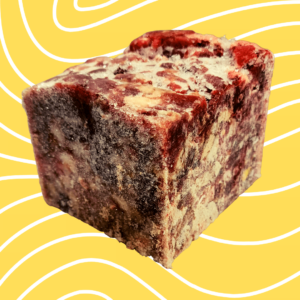
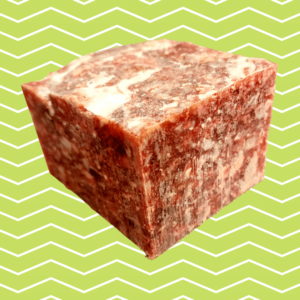
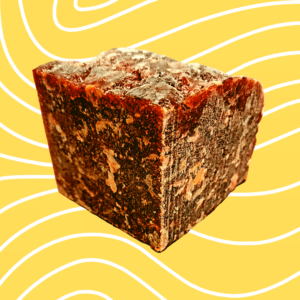
Our food is cut into blocks, so you can thaw one at a time in the fridge. Weigh a scoop of food once, then you know how many scoops each meal needs.
More guides
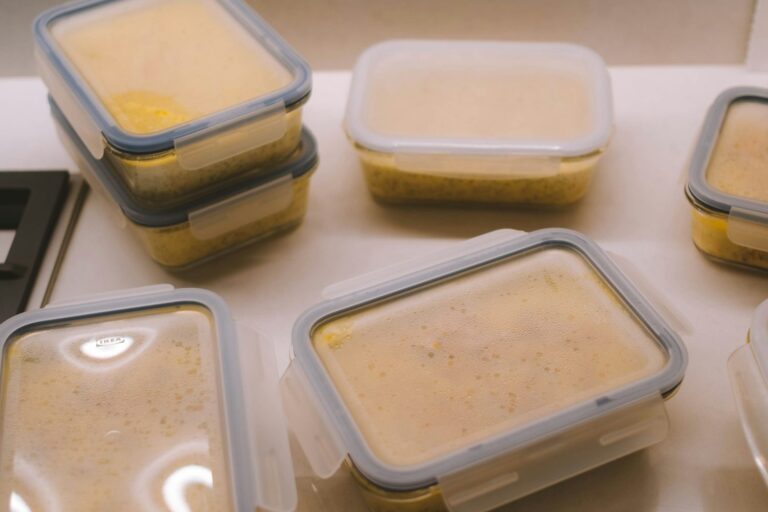
How to thaw and store raw dog food
A simple freezer-to-fridge routine so bulk raw food stays fresh and nothing goes to waste.
Read the guide →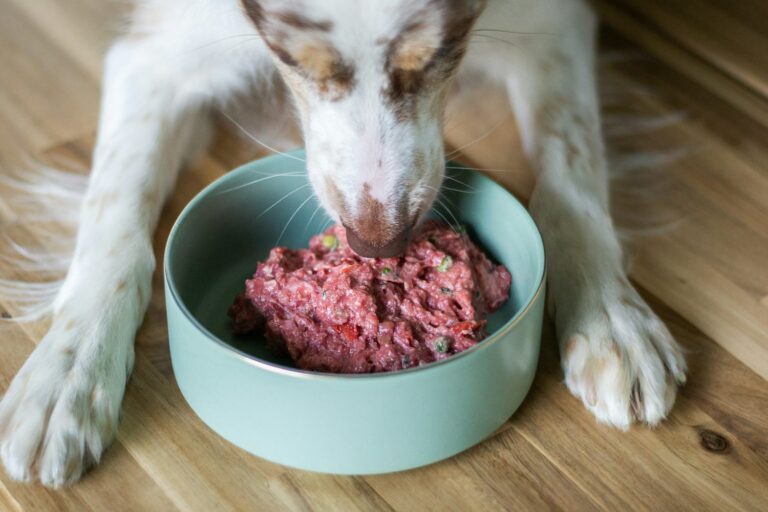
How to switch your dog to raw food
A one-to-two week plan for moving your dog onto raw food, starting with a single protein.
Read the guide →
Raw food for German Shepherds
Daily amounts for a Shepherd by weight and workload, two meals a day, and what to feed a big, busy dog.
Read the guide →