Switch your dog to raw over one to two weeks. Start with one simple protein such as chicken mince, swap about a quarter of the old food for raw, then half, then three quarters, and watch their stools as you go.
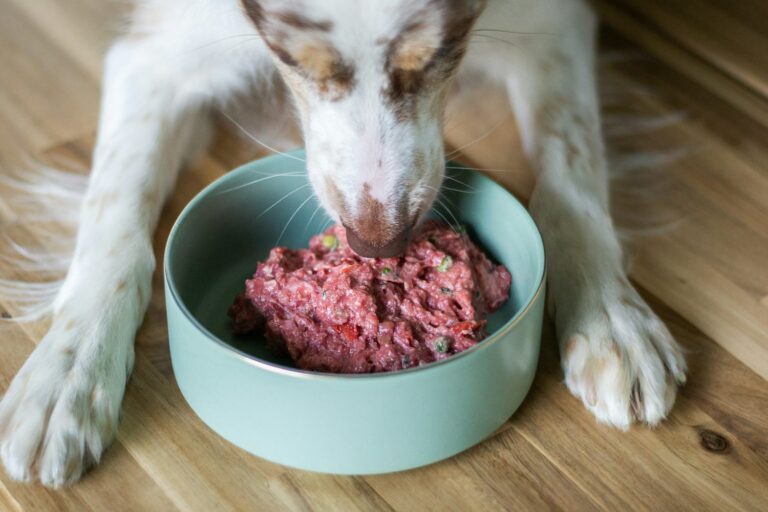
Most dogs make the change without much fuss. Here’s the plan we suggest to new raw feeders, step by step.
Before you start
Work out how much your dog will eat once they’re fully on raw. For most adult dogs that’s about 2 to 3% of their body weight a day, depending on how active they are. Our raw dog food calculator gives you a daily amount and tells you how much to order.
Everything we sell is made to order. You order one week and we deliver the next, so put your first order in about a week before you’d like to start.
Clear some freezer space while you wait. Our mixes and minces come in 10 kg cartons, cut into blocks so you only thaw what you need. When the food arrives, move a few days’ worth into the fridge to thaw.
Step 1: pick one protein to start with
Start with a single, lean protein so you can see how your dog handles it. Chicken is a common first choice. Chicken Mince is 100% NZ chicken, minced with the bone, with no other proteins mixed in.
If your dog can’t have chicken, pick another single protein such as Beef Mince or Veal Mince. The idea is the same: one protein at a time, so if something doesn’t agree with them, you know what it was.
When people ask us to choose for them, we tell them the person who knows your dog best is you. If your dog already loves a particular meat, that’s a good place to begin.
Step 2: fast for half a day
Many raw feeders skip a meal before the first raw one, fasting their dog for half a day up to a full day. Your dog comes to the bowl hungry and is more likely to eat something new. Skip the fast for very small or young dogs and for any dog with a medical condition.
Step 3: replace the old food a little at a time
Swap a small part of the current food for raw, then increase the raw share every couple of days. Over one to two weeks you’ll get to all raw. A rough plan for an adult dog:
- Days 1 to 3: about a quarter raw, three quarters old food
- Days 4 to 6: about half and half
- Days 7 to 9: about three quarters raw
- Day 10 onwards: all raw
Some owners feed the raw and the old food at separate meals rather than in the same bowl. Either way works. Keep the total amount about the same as you go, so you’re swapping food rather than adding it.
Step 4: watch the stools and adjust
Your dog’s stools are the easiest way to tell how the switch is going. If they go loose along the way, hold at the current mix until things firm up, then carry on more slowly. A sensitive dog might take three weeks to get there, and that’s fine.
Step 5: add bones, organ and other proteins
Once your dog is settled on one protein, start building out the rest of the diet. A common rule of thumb is the 80/10/10 guide: about 80% muscle meat, 10% raw bone and 10% organ.
- Bones: add a raw meaty bone a few times a week. If you’re feeding Chicken Mince, it already has bone through it, so go easy on extra bones. Our guide to which raw bones dogs can eat explains how to match the bone to the protein your dog already eats.
- Organ: most of our blends include offal. Balance Mix is made to mix one part to two parts of a mince.
- More proteins: bring in new proteins one at a time, the same way you started, by mixing a little in with what your dog already eats.
If your dog has a medical condition or is on a special diet from your vet, talk to your vet before changing their food.
Questions from new raw feeders
Can I switch straight over without a transition?
Some dogs cope fine with a straight swap, but a gradual change is easier on most stomachs, and you lose very little by taking a week or two.
How do I get a reluctant dog interested?
Try a different protein, or let the food sit for a few minutes to take the fridge chill off. A spoonful of green tripe on top works well for a lot of dogs.
Can I feed raw and kibble together long term?
Plenty of owners feed some of each. If you do, work out the raw part with the calculator as a share of the full amount, so the total stays about right.
More guides
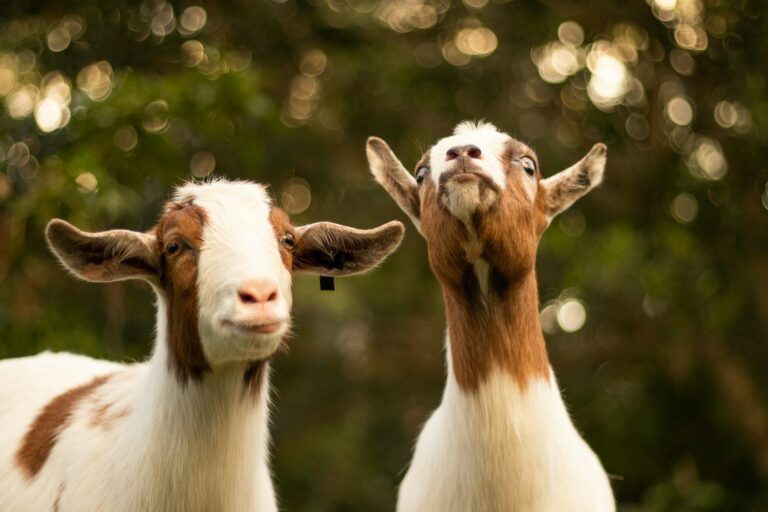
Novel proteins for dogs: goat, horse, venison and alpaca
What counts as a novel protein, which ones we sell, and how to build a diet without beef or chicken.
Read the guide →
Green tripe for dogs: what it is and how to feed it
What green tripe is, where it fits in a raw diet, and how to live with the smell.
Read the guide →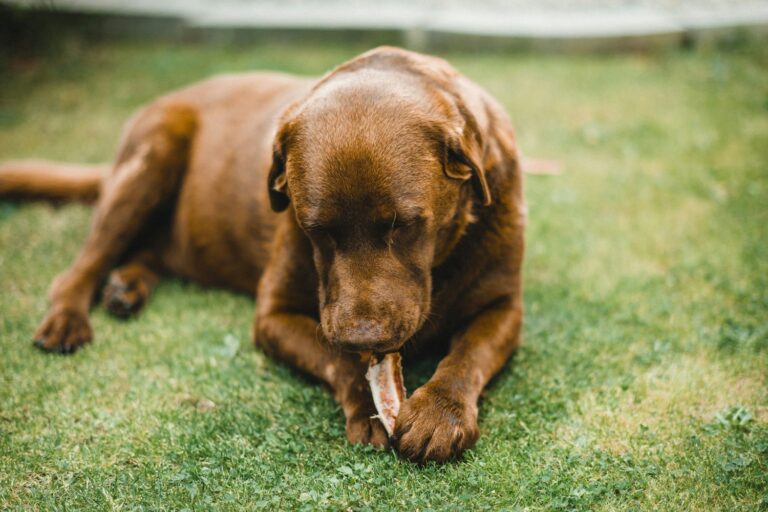
What raw bones can dogs eat?
Raw meaty bones, the ones to skip, and how to pick a bone that matches what your dog already eats.
Read the guide →