BARF and prey model are the two main styles of raw feeding, and both build on the 80/10/10 rule of thumb: about 80% muscle meat, 10% raw bone and 10% organ. Raw meaty bones still have meat on them, and a balancer adds bone and organ to plain mince.
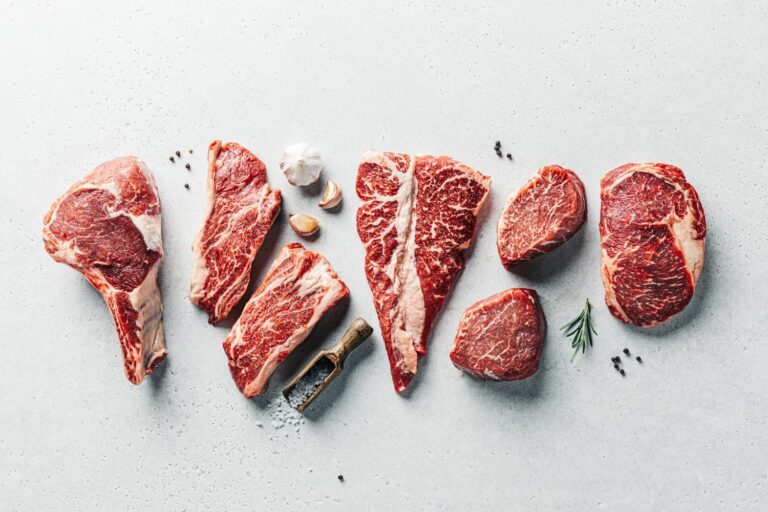
Raw feeding comes with its own vocabulary, and it can make a simple idea sound complicated. Here are the terms you’ll see most often on raw feeding sites and in Facebook groups, in plain English, with where our products fit.
The two main styles
BARF
Short for “Biologically Appropriate Raw Food”, or “Bones and Raw Food” depending on who you ask. It’s the best-known style of raw feeding: raw muscle meat, raw bone and organ, sometimes with a little fruit or vegetables. Our BARF diet page goes into more detail.
Prey model
Prey model raw (often shortened to PMR) sticks to what a whole prey animal would provide: muscle meat, bone and organ, with no plant foods at all. Most of the day-to-day feeding looks the same as BARF.
The ratios
80/10/10
The rule of thumb most raw feeders start with: about 80% muscle meat, 10% raw bone and 10% organ. It’s a guide to aim for over a week, not something to weigh out to the gram at every meal. Our raw dog food calculator uses it to split your dog’s daily amount.
Balancer
A mix you add to plain mince to bring in bone and organ. Balance Mix is ours: one part Balance Mix to two parts of any mince.
The parts of the bowl
Muscle meat
The bulk of the diet. Heart, tongue and cheek are counted as muscle meat, even though they’re sold alongside offal, because they’re muscles.
Organ, or secreting organ
Liver, kidney, spleen and similar organs. Liver is the one most raw feeders make sure is in there. Our guide to liver and organ meat covers how much.
Offal
A looser word for the internal parts of an animal, which can include organs, heart and tripe. When a product says “with offal”, check what’s in it: most of ours list liver, heart and kidney.
Green tripe
Raw, unbleached cattle stomach. Most raw feeders keep it separate from the organ part and use it as a topper or alongside muscle meat. There’s more in our green tripe guide.
Bones
Raw meaty bones (RMBs)
Raw bones with meat and cartilage still on them, such as brisket or neck bones. These make up the bone part of the diet.
Recreational bones
Big, dense bones given to chew on rather than eat. Many raw feeders skip the heaviest weight-bearing ones. Our guide to which raw bones dogs can eat explains how to choose.
Bone in the mince
We’re asked fairly often whether our mixes have bone in them. The ones made with our chicken mince do, because it’s minced with the bone: Chicken Mince itself, plus Balance Mix, Fussy Mix and Puppy Mix. Active Dog Mix is boneless.
Other words you’ll see
- Single protein: food made from one animal only, such as our Beef Mince or Goat Mince.
- Novel protein: a meat your dog hasn’t eaten before. See our guide to novel proteins.
- Rotation: changing proteins through the week or month for variety.
- Topper: a small amount of something tasty on top of the usual meal, like tripe or an egg.
- Transition: the week or two of moving from the old food to raw. Our switching guide has a day-by-day plan.
Where to start
You don’t need every term on day one. Pick one protein, add bones and organ once your dog is settled, and aim for roughly 80/10/10 over a week.
More guides

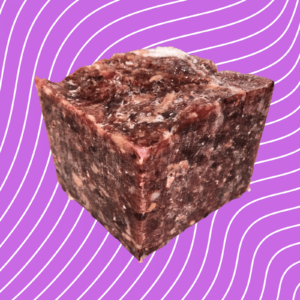
Novel proteins for dogs: goat, horse, venison and alpaca
What counts as a novel protein, which ones we sell, and how to build a diet without beef or chicken.
Read the guide →
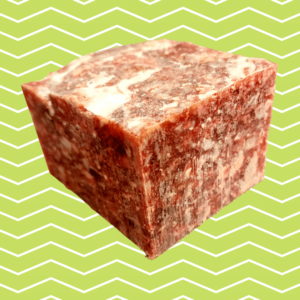
Green tripe for dogs: what it is and how to feed it
What green tripe is, where it fits in a raw diet, and how to live with the smell.
Read the guide →
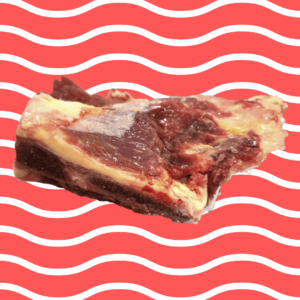
What raw bones can dogs eat?
Raw meaty bones, the ones to skip, and how to pick a bone that matches what your dog already eats.
Read the guide →