Most older dogs need a little less food. For dogs aged seven and over, we suggest about 1.8% of body weight a day for a quieter dog and 2.2% for one that’s still busy: around 360 to 440 g for a 20 kg dog. Weigh them monthly and adjust by about 10%.
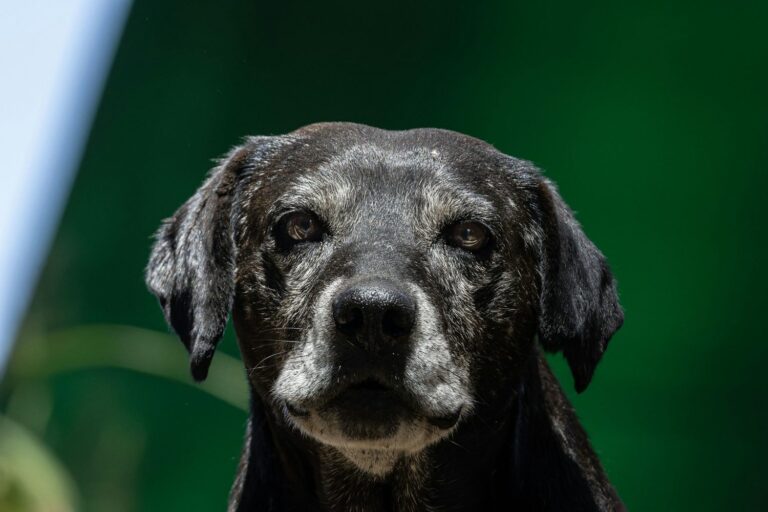
Raw feeding an older dog is mostly about the amount: as dogs slow down, most need a little less food, and the trick is adjusting before the weight creeps on. The other part is making meals easy and appealing, because an older dog’s habits and teeth aren’t what they were at three.
How much to feed an older dog
For dogs aged seven and over, our raw dog food calculator uses about 1.8% of body weight a day for a quieter dog and 2.2% for one that’s still busy, a little less than the 2 to 3% for younger adults.
| Dog’s weight | Quieter (1.8%) | Still busy (2.2%) |
|---|---|---|
| 5 kg | 90 g | 110 g |
| 10 kg | 180 g | 220 g |
| 20 kg | 360 g | 440 g |
| 30 kg | 540 g | 660 g |
| 40 kg | 720 g | 880 g |
These are starting points. Weigh your dog once a month and check their shape: you should be able to feel their ribs easily without seeing them. If they’re gaining, trim the daily amount by about 10%. If they’re losing, add 10%. If an older dog loses weight without a clear reason, check with your vet.
The calculator also has a middle setting of about 2% for a senior with an average day. Here’s the middle setting split the way the calculator plans it, about 90% mince or blend and 10% bone, over two meals:
| Dog’s weight | A day (2%) | Mince or blend | Each of two meals | A 10 kg box lasts |
|---|---|---|---|---|
| 5 kg | 100 g | about 90 g | about 45 g | about 16 weeks |
| 10 kg | 200 g | about 180 g | about 90 g | about 8 weeks |
| 20 kg | 400 g | about 360 g | about 180 g | about 4 weeks |
| 30 kg | 600 g | about 540 g | about 270 g | about 2.5 weeks |
Plenty of older dogs are still on the go
Age and activity don’t always line up. Plenty of dogs of ten or eleven still swim, go on pack walks or potter around the farm after they’ve retired from work. A dog like that may still suit the “still busy” column, or even adult amounts.
The calculator lets you pick senior and an activity level together, so a lively 12-year-old and a sleepy one get different figures. Go by the dog in front of you, not the number of candles.
Keeping weight steady
The change from adult to senior amounts is small, and that’s the point: an older dog that keeps eating like a young one tends to put on a little at a time. A simple monthly check keeps it steady:
- Weigh them on the same day each month. For a dog you can lift, weigh yourself, then weigh yourself holding the dog, and take one from the other.
- Feel along the ribs and look down from above for a waist.
- If the weight is up for two checks in a row, take about 10% off the daily amount. If it’s down, add about 10%.
Our guide to the dog body condition score shows what to feel for, with a worked example of adjusting the amount.
Food that’s easy to eat
Minced food is easy for a dog of any age. If your older dog finds big bones harder going than they used to, a mince with the bone already through it is a simple way to keep bone in the diet. Our Chicken Mince is minced with the bone, and Fussy Mix is veal and chicken with liver and offal.
For a single protein, Veal Mince is 100% NZ veal.
If your dog does still enjoy a chew, a softer raw bone such as veal brisket is a good middle ground for dogs that eat veal. Supervise as always, and take it away once it’s small enough to swallow.
A few small changes make meals easier for an older dog:
- Serve mince loose on a flat plate or a lick mat rather than in a deep bowl.
- Split the day into two smaller meals, the way the calculator plans it for seniors.
- Let the food sit out of the fridge for 10 to 15 minutes, so it smells more.
Switching an older dog to raw
An older dog who has eaten the same food for years may appreciate a slower switch. Mix a little raw into the current food and increase it over two to three weeks rather than one, watching stools as you go. Our guide to switching to raw has a day-by-day plan you can stretch out.
Stretched over about three weeks, that might be a quarter raw for the first week, half for the second, three quarters early in the third, and all raw by the end of it. Start with one mild protein, such as Chicken Mince or Veal Mince, and add others once they’re settled.
Keep the bowl interesting
Some older dogs get choosier. Taking the fridge chill off, adding a spoonful of green tripe, or rotating proteins can all help. Our guide to getting a fussy dog to eat raw has more ideas.
Fussy Mix, with veal, chicken, liver and offal, has the rich smell that tends to win over picky eaters, and it’s an easy one to try alongside their usual food.
Older dogs are more likely to have health conditions that affect what they should eat. Talk to your vet before changing your older dog’s diet, especially if they’re on medication or a prescribed food.
Portions for a small older dog
A small senior eats very little: a 5 kg dog at 2% is about 100 g a day, so a block of about 500 g is close to five days’ food. Thaw a block in the fridge, keep what you’ll use in the next two to three days, and pop the rest straight back in the freezer. Raw meat thawed in the fridge can be refrozen. Small lidded tubs make it easy to move one down to the fridge each evening. Our small dog feeding guide has more on splitting a block into small meals.
Common questions
At what age is a dog “older”?
Our calculator’s senior setting starts at seven years. Dogs slow down at different ages, so go by how active your dog is as well as their birthday.
Can older dogs still have raw bones?
Many can. Choose a softer, meaty bone such as veal brisket, supervise, and switch to a mince with bone through it if chewing gets harder.
Should an older dog eat once or twice a day?
Two smaller meals suit most older dogs, and the calculator plans two meals for seniors.
My older dog is losing interest in food. What can I try?
Take the chill off, add a spoonful of green tripe, or try a richer mix such as Fussy Mix. If they keep losing weight, see your vet.
How much does it cost to feed an older dog raw?
A little less than a younger dog of the same weight, because they eat less. For a 20 kg adult at 2.5% it’s about $3.40 to $4.10 a day, and a 20 kg senior at 2% eats about a fifth less.
More guides
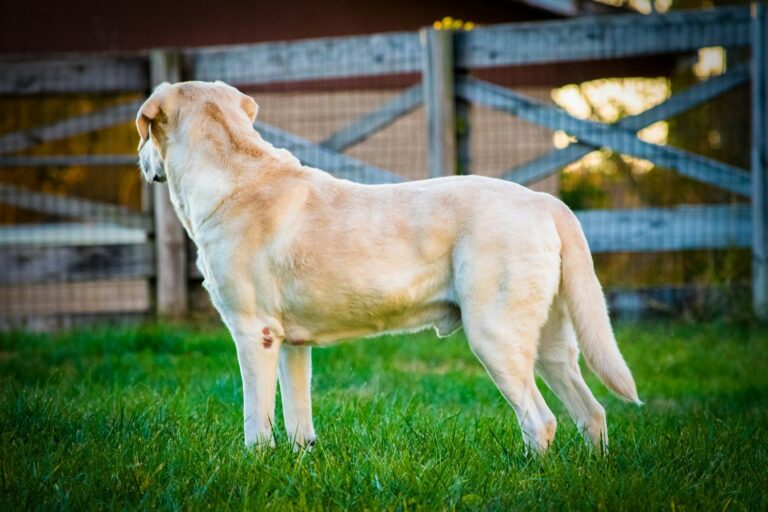
Dog body condition score: is my dog the right weight?
Check your dog's ribs, waist and tummy tuck on the 9-point scale, then adjust raw amounts, with a worked example for a 20 kg dog.
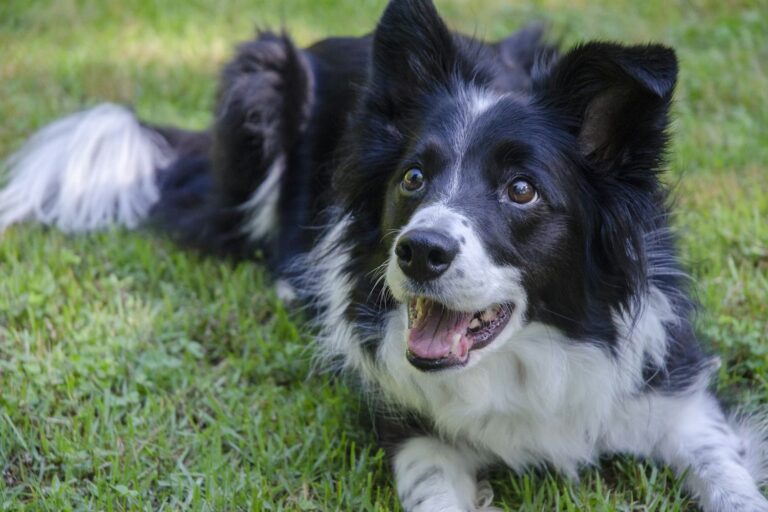
Raw food for Border Collies: how much to feed
Daily amounts for working, sport and city Collies, when to feed around work, and foods that suit them.
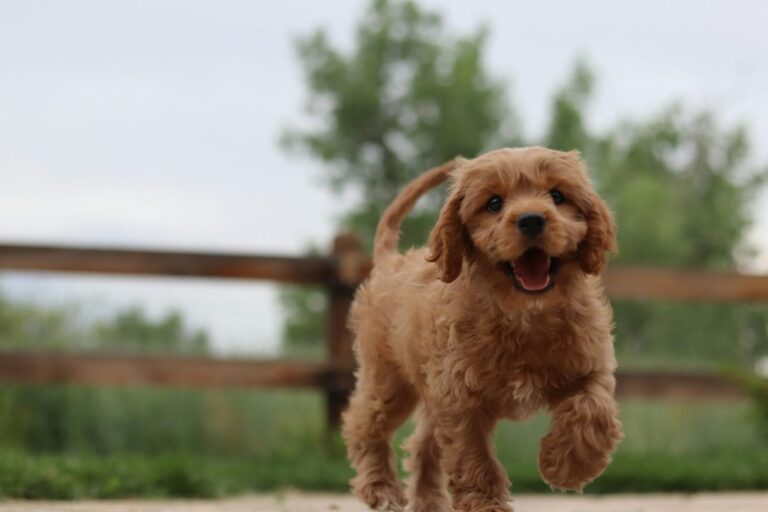
Raw food for small dogs: how much to feed
Daily amounts for Poms, Cavoodles and Jack Russells, portioning small meals, and how long a carton lasts.