A beef allergy in dogs is the immune system reacting to the proteins in beef. Beef is the food most often reported in published studies of dogs with food allergies, ahead of dairy and chicken. The usual signs are itchy skin, paws and ears, sometimes with tummy upsets, and a vet confirms it with an elimination diet followed by a food challenge.
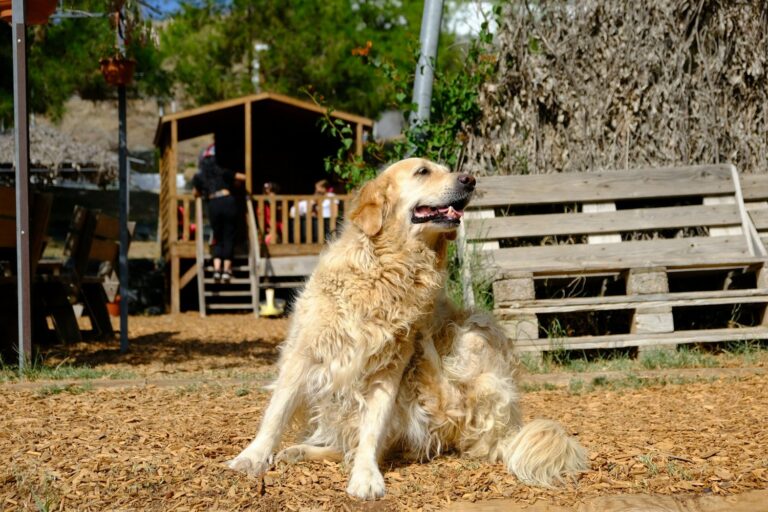
If you think beef might be behind your dog’s itching or upset tummy, this guide covers what a food allergy is, the signs owners notice and how vets confirm it. It also shows where beef turns up when it isn’t on the front of the bag.
What a beef allergy in dogs is
A food allergy happens when a dog’s immune system overreacts to something in their food that it would normally ignore. It’s usually a protein. With a beef allergy, that’s the protein in beef.
Allergies tend to build up over time. The immune system usually has to meet a protein a number of times before it starts reacting, so a dog can eat beef for a long time without a problem and then start reacting to it.
Is beef really the most common food allergen in dogs?
In the published research, yes. In 2016, three veterinary researchers, Ralf Mueller, Thierry Olivry and Pascal Prélaud, reviewed the published studies where a dog’s food allergen had been confirmed by feeding it again after an elimination diet. Across 297 dogs, these were the foods most often reported:
| Food | Dogs | Share of the 297 dogs |
|---|---|---|
| Beef | 102 | 34% |
| Dairy products | 51 | 17% |
| Chicken | 45 | 15% |
| Wheat | 38 | 13% |
| Soy | 18 | 6% |
| Lamb | 14 | 5% |
| Corn | 13 | 4% |
| Egg | 11 | 4% |
| Pork | 7 | 2% |
| Fish | 5 | 2% |
| Rice | 5 | 2% |
Source: Mueller RS, Olivry T, Prélaud P. Critically appraised topic on adverse food reactions of companion animals (2): common food allergen sources in dogs and cats. BMC Veterinary Research, 2016, 12:9. Some dogs reacted to more than one food.
The authors point out the limits themselves. Most dogs were only tested with a few foods, and the list may simply reflect what dogs were most often fed over the years the studies covered. It doesn’t mean beef is a problem for dogs in general.
Allergy or intolerance?
The two get mixed up, but they’re different things:
- A food allergy involves the immune system. It usually takes repeated exposure to build up, and it mostly shows in the skin and ears, sometimes with the gut as well.
- A food intolerance doesn’t involve the immune system. It can happen the first time a dog eats something, and it mostly shows up as digestive upsets. Lactose intolerance, where a dog can’t handle milk, is one example.
An upset tummy after a sudden change of food is often neither. A dog’s gut usually needs time to adjust to anything new, which is why our switching guide takes a week or two over it.
Signs owners notice
Itching is the sign seen in most dogs with a food allergy. In the studies, it was often all over the body, with the ears, paws and belly common spots. Things owners tend to notice:
- Scratching, rubbing or chewing at the skin.
- Licking or chewing the paws.
- Ear trouble that keeps coming back, with head shaking, scratching at the ears or a smell.
- Skin infections that keep coming back.
- Tummy upsets, such as vomiting or loose stools.
None of these signs is only caused by food. Flea allergy and allergies to things in the environment cause the same itching, and many dogs with a food allergy have another allergy as well. Food allergies can start at any age, and in the studies almost 40% of dogs had skin signs by their first birthday. That’s why a vet needs to look at the whole picture before anyone blames the beef.
How vets confirm a food allergy
Vets don’t rely on blood or skin tests to find a food allergy in dogs; a 2017 review of those tests found none reliable enough to diagnose one. The standard method is a food trial in two stages:
- The elimination diet. Your vet chooses a diet with proteins your dog hasn’t eaten before, or a special veterinary diet. Your dog eats only that: no treats, chews, table scraps or flavoured supplements. The trial usually runs for at least eight weeks, the length a review of elimination diets found picks up more than 90% of dogs with a food allergy.
- The challenge. The old food, or a single suspect food like beef, goes back in. Your vet compares how your dog is during the trial with how they are after the challenge. Signs from a food allergy usually come back within a few days of eating the problem food, but can take up to about two weeks, according to a 2020 review of flare times after a challenge.
It’s a slow process, and the rules are strict because a single beef treat partway through can muddy the result. Your vet sets the plan, the diet and the timing. If you raw feed, tell them exactly what your dog eats, including bones and treats, so they can choose a trial protein your dog hasn’t had.
Where beef hides
If your vet asks you to keep beef out, it’s easy to miss. Some things to watch for:
- Green tripe is the stomach lining of cattle, so it counts as beef. Our Green Tripe and Tripe Rolls are beef, and so is any mix with tripe in it.
- Offal and organ meat is often beef. In our Balance Mix, the liver, kidney, heart, tongue and cheek are all beef.
- Bones. Our Beef Brisket Bones, Beef Neck Bones and both veal bones come from cattle. Goat Bones don’t.
- Treats and chews count too. Check what they’re made from.
- Veal comes from young cattle, so we treat it as beef. Veal Mince, our veal bones and Fussy Mix all have veal in them. Our shop filter lists veal on its own, so tick Veal as well as Beef.
Our guide to raw food for dogs with allergies has a table of every protein in our range, and the allergen filter in the shop greys out anything that contains what you tick.
Our beef-free options
If your dog needs to stay off beef, these have no beef, veal or green tripe in them:
| Product | What’s in it |
|---|---|
| Wild Mix | Venison, horse, goat and alpaca, with offal |
| Goat Bones | Goat only |
| Chicken Mince | Chicken only |
| Goat Mince | Goat only |
| Lamb & Heart Rolls | Lamb and lamb heart |
| Chicken & Fish Rolls | Chicken and fish |
Wild Mix is the only one of our block mixes with no beef or chicken, and with Goat Bones it keeps a whole week beef-free, bones included. For a single protein, Goat Mince and Chicken Mince have just the one meat. The shop shows what’s in stock each week.
Choosing beef-free food doesn’t diagnose or treat an allergy. It’s a way to feed what your vet has asked for. Our guide to novel proteins explains how to build a diet around a meat your dog hasn’t had.
If your dog is itchy, keeps getting ear or skin problems, or has an upset tummy that doesn’t settle, see your vet. They’ll work out the cause and decide whether a food trial is the right next step.
Common questions
Can a dog suddenly become allergic to beef?
Yes. Allergies build up with repeated exposure, so a dog can eat beef for years before reacting to it. Signs can start at any age.
Is green tripe safe for a dog that can’t have beef?
No. Green tripe comes from cattle, so it counts as beef in our shop filter and the feed calculator.
Does veal count as beef?
Yes. Veal comes from young cattle, so we treat it as beef. Our shop filter lists veal separately, so tick Veal as well as Beef.
Can I raw feed during an elimination diet?
That’s your vet’s call. Ask whether a single raw protein your dog has never eaten, such as goat, would suit the trial, or whether they want a veterinary diet. Whichever they choose, feed only that until they say otherwise.
Do blood tests show a beef allergy?
Vets don’t rely on them for food allergies. The elimination diet and challenge is the method they use.
More guides
Raw food for dogs with allergies and sensitive stomachs
Choosing raw food by protein, every meat in our range, and a gentle switch for a sensitive dog.

Novel protein dog food: goat, horse, venison and alpaca
What counts as a novel protein, which ones we sell, and how to build a diet without beef or chicken.

Can dogs eat horse meat?
What horse meat is like, why owners look for it, and which of our blends contain it.