Yes, raw chicken necks are widely fed as a raw bone, and they pair naturally with a chicken-based diet. Feed them raw, never cooked, choose a piece your dog has to chew, and supervise. Handle them with the same hygiene as any raw chicken.

Chicken necks are cheap, easy to find and soft enough that plenty of dogs crunch through them happily. That’s why so many raw feeders use them as a first bone.
Why raw feeders like them
A raw chicken neck is a mix of meat, cartilage and small, soft bones. Raw chicken bone is softer and less brittle than cooked bone, which is why raw necks are widely fed and cooked ones never are. They count towards the bone part of the 80/10/10 guide, along with some muscle meat.
Feeding necks safely
Necks suit a dog that already eats chicken, since the bone matches the rest of the diet. Whatever the dog, the piece needs to be one they chew rather than swallow whole, because gulping a bone is a choking risk. If your dog bolts necks, a different bone may suit them better, and our guide to which raw bones dogs can eat lists the options.
Stay with your dog while they eat a bone, and give each dog their own space if you have more than one.
A few habits make neck time easy:
- Some owners hold the end of the neck for the first few goes, so their dog learns to chew rather than gulp.
- Feed it outside, or on a mat or tiled floor you can wipe down.
- Take away anything left once it’s small enough to swallow whole.
- Keep fresh water nearby.
Never cooked
Cooked chicken bones go hard and brittle and can splinter. That includes roast chicken carcasses and bones from takeaways.
Hygiene
Raw chicken can carry bacteria such as Salmonella and Campylobacter, the same as the chicken you buy for dinner. Keep necks frozen until you need them, thaw them in the fridge, feed them somewhere easy to clean and wash your hands afterwards. Our guide to raw chicken for dogs covers the routine in more detail.
Buying and storing necks
Raw chicken necks are sold by butchers and pet food suppliers, usually frozen in bags. When you get them home, split them into bags of a few days’ worth and freeze them flat, so you can grab what you need.
The night before a bone day, move the necks you need to the fridge in a covered container on the bottom shelf, away from food for people. Use thawed necks within two to three days. Raw meat thawed in the fridge can be refrozen, so if plans change, the rest can go back in the freezer.
Bone without the necks
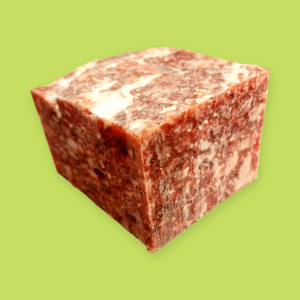
If you’d rather not feed whole necks, chicken minced with the bone gets the bone into the diet in an easier form. Our Chicken Mince is 100% NZ chicken, minced with the bone, and many owners mix it with Balance Mix for the organ part.
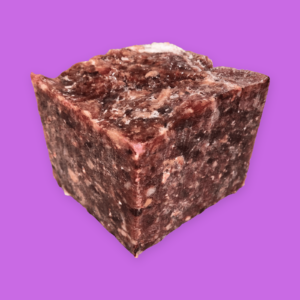
Chicken Mince comes in a 10 kg carton of blocks of about 500 g. The blocks are hand cut, so they vary a little, but the carton always weighs 10 kg. A common mix is two parts Chicken Mince to one part Balance Mix, so the night before, move two blocks of Chicken Mince and one of Balance Mix to the fridge. Next day, mix them in a lidded container, keep two to three days’ worth in the fridge and pop any extra back in the freezer.
Chicken Mince is also one of the products marked “For Dogs & Cats”, and our guide to raw food for small dogs has daily amounts for the little ones.
Something worth knowing
In 2018, researchers at the University of Melbourne reported a link between eating raw chicken, particularly necks, and a rare paralysing condition in dogs called acute polyradiculoneuritis. Small dogs were more often affected, and the researchers suspect Campylobacter bacteria as the trigger. The condition is rare, but if you have a small dog, it’s worth talking to your vet about chicken necks before you start.
How many necks?
Bone makes up about 10% of a raw diet. For a small dog, that might be a neck a few times a week alongside their usual food. Count necks as part of the daily amount so the total stays about the same. Our guide to how much raw food to feed has amounts by weight.
Our feed calculator plans about 10% of the food as raw bones. For a 20 kg dog eating 500 g a day, that’s about 350 g of bone a week, and our guide to which raw bones dogs can eat has the amounts for every size.
Necks vary in size, so weigh a few on the kitchen scales once. Divide your dog’s bone a week by the weight of one neck, and that’s roughly how many necks make up the week. On a neck day, give a little less of the usual food.
Necks and other bones
| Bone | What it’s like | Suits a dog eating |
|---|---|---|
| Raw chicken necks | Small, soft bones with meat and cartilage | Chicken |
| Beef neck bones | Dense, meaty vertebrae, a longer chew | Beef |
| Veal brisket and neck bones | Meaty bones from young cattle | Veal |
| Goat bones | Bone, cartilage and meat, no beef or chicken | Goat, or a diet that leaves out beef |
Our own bones are Beef Neck Bones, Beef Brisket Bones, Veal Brisket Bones, Veal Neck Bones and Goat Bones (when we have them), each in a 10 kg carton. They arrive chilled with the bones packed in together. Most people let the box soften a little, pull the bones apart and bag them up for the freezer.
Lamb is another common question; our guide to lamb bones for dogs covers which ones raw feeders use.
Common questions
Can dogs eat cooked chicken necks?
No. Cooked bone goes hard and brittle and can splinter. Only feed necks raw.
Can small dogs eat chicken necks?
Many small dogs eat them, but the 2018 study above found small dogs were more often affected, so talk to your vet first. Chicken Mince minced with the bone is an easy alternative.
Can I feed chicken necks every day?
Most raw feeders give a bone a few times a week, so the bone stays at about 10% of the diet. Count necks as part of the day’s amount.
How long do thawed chicken necks keep?
Use them within two to three days, kept covered on the bottom shelf of the fridge. Our guide to thawing and storing raw dog food has the full routine.
What if my dog swallows necks whole?
Try holding the end so they have to chew, or switch to a meatier bone they have to work at, matched to their diet. Chicken Mince with the bone is another easy option.

More guides
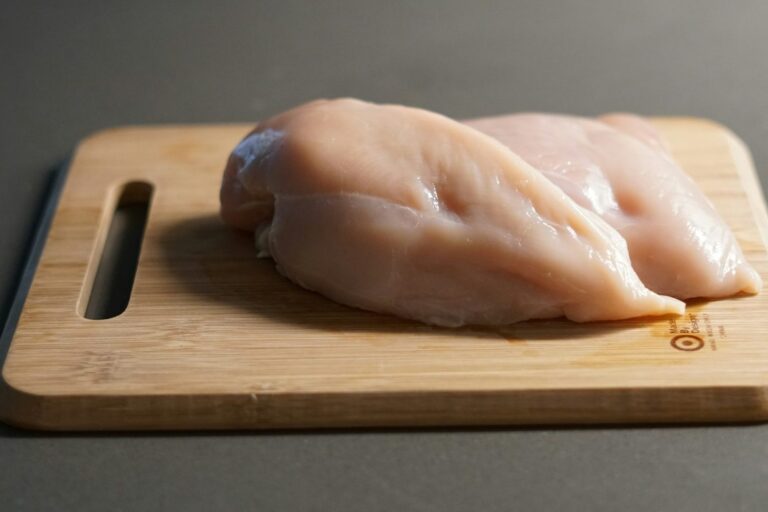
Can dogs eat raw chicken?
Raw chicken is one of the most common proteins in raw feeding. How to handle it safely, and why cooked bones never go in the bowl.

Raw food for small dogs: how much to feed
Daily amounts for Poms, Cavoodles and Jack Russells, portioning small meals, and how long a carton lasts.

What raw bones can dogs eat?
Raw meaty bones, the ones to skip, and how to pick a bone that matches what your dog already eats.